Impact
· 4 min read
A new glass bottle can outweigh the formula inside it. What a refill saves, glass and aluminum compared honestly, and what we still haven't solved.
By Jonas Wieser, grower

When we weighed one of our first finished bottles of Oat Cleansing Milk, the packaging weighed more than the milk inside it. That number changed how we think about everything we sell.
All figures in this article are demo values for this template. Replace them with numbers from your own life-cycle assessment.
The weight you don’t see
A 150 ml bottle of cleansing milk holds roughly 150 g of product. Here is what that product travels in (demo figures):
New bottle: opal glass 205 g, pump 25 g, carton 20 g. Packaging total: 250 g.
Refill: aluminum bottle 64 g, screw cap 8 g. Packaging total: 72 g.
That’s 71% less packaging weight when you refill the 150 ml bottle instead of buying new glass. Put another way, a new bottle carries about 1.7 g of packaging for every gram of cleansing milk. The refill carries less than half a gram.
Glass, honestly
Our first bottle is heavy opal glass, and we chose it on purpose. Glass doesn’t react with what’s inside it, it feels good in the hand, and a bottle you keep can be refilled for years. It can be recycled, but we’d rather it never needs to be.
But glass is heavy, and weight costs fuel. Every bottle we ship carries its own mass over the Alps and beyond, and making glass takes a lot of heat.
A glass bottle used once and thrown away is one of the heavier choices a skincare brand can make. Its weight is only worth carrying if the bottle stays in use.
Aluminum, honestly
That’s why our refills come in aluminum. It’s light, it doesn’t break in transit, it keeps light away from the formula, and it can be recycled again and again. Recycling aluminum takes a small fraction of the energy needed to make it new, commonly cited at around 5%.
The catch is new metal. Making aluminum from ore uses a great deal of energy, so the recycled share of a refill bottle matters. We’re working to raise ours, and we’ll publish the figure once we can measure it properly.
What a refill saves
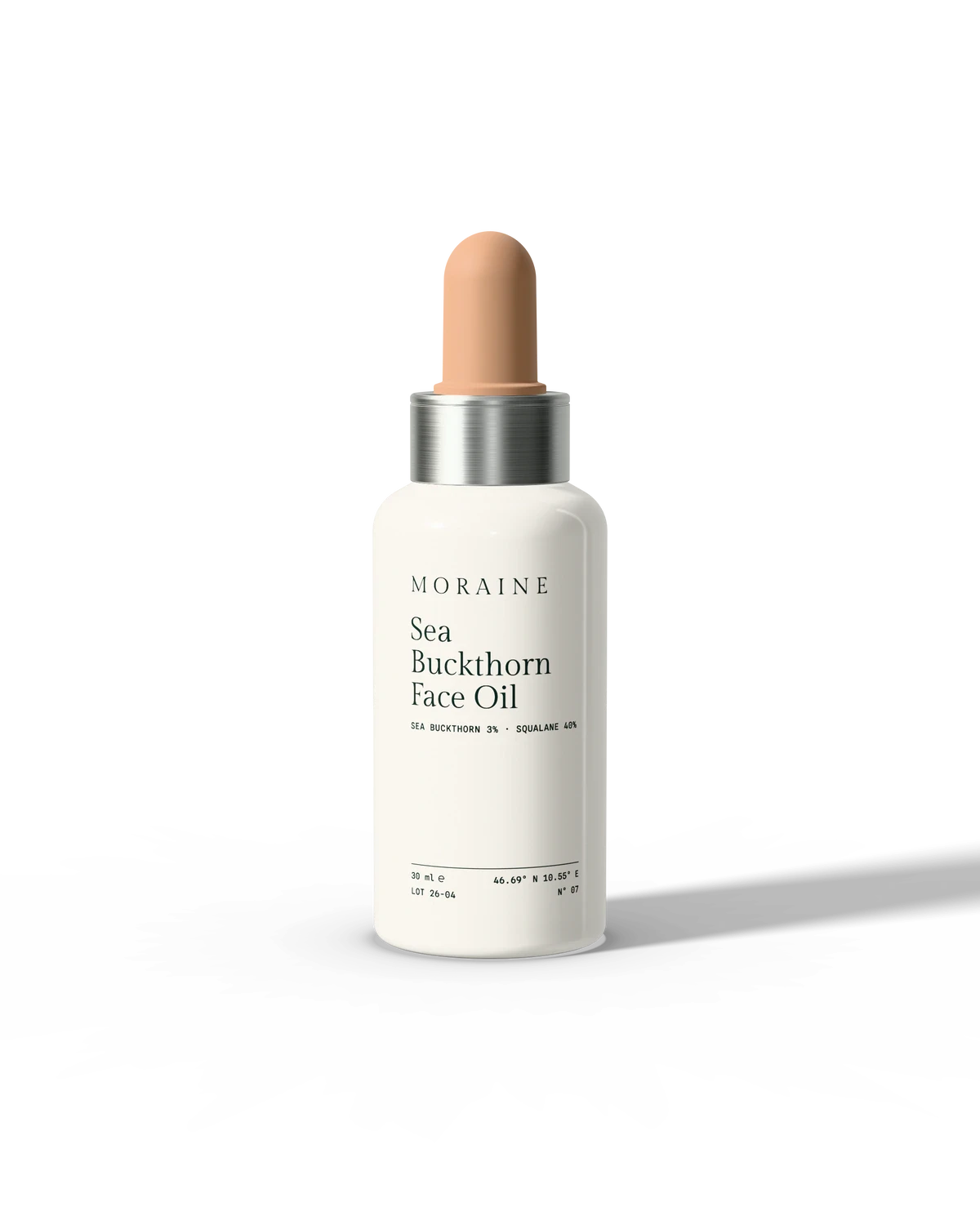
Weight is one measure. Climate impact is another, and the two don’t move together. For a 30 ml refill, like those for our serums and face oil, our demo life-cycle figures show 38% lower CO₂e than a new bottle: about 254 g against 410 g per unit.
Why 38% and not 71%? The two figures describe different sizes and different measures. The formula inside is also the same either way, the delivery van drives the same route, and each aluminum refill bottle is still made new. Packaging is only part of a product’s footprint, so a refill can only save on that part.
A glass bottle earns its weight only when it’s filled again and again.
What we haven’t solved
Refills are better. They aren’t the end of the problem, and we’d rather tell you where we’re stuck.
Pumps
A pump contains a steel spring, several kinds of plastic and an aluminum collar, and you can’t take it apart at home. Most recycling systems can’t sort it. That’s why our refills come with a plain screw cap, and you keep the pump from your first bottle.
Pumps do wear out eventually. We set worn ones aside until we find a recycler that can take them apart, and we’re trialing a pump made entirely from aluminum, so it can be recycled in one piece. We’d like it ready by 2027.
Return shipping
Every third refill includes a free return label, and we clean and reuse what comes back. The label comes every third time rather than with every order, so empties travel in fewer, fuller parcels.
But empties still travel. An empty sent back from within the valley makes a short trip. One sent from Copenhagen travels more than 1,000 km, and we honestly don’t know yet whether that trip saves more than it costs. We’re measuring it, and a drop-off pilot with our stockists in Vienna and Munich should help. Until then, rinsing an empty and recycling it at home is a perfectly good choice.
Three formulas without a refill
Nine of our twelve formulas come as a refill. The Glacial Clay Mask, the Mineral Day Fluid and the Bakuchiol Night Serum don’t, yet. The first two come in tubes, which can’t be refilled cleanly. For the night serum, we haven’t found a refill format we trust.
What you can do
The most useful thing is simple: keep the glass. When it runs out, buy the refill, which costs up to 19% less, and recycle the aluminum or send it back with your return label. And if you only finish one bottle a season, that’s fine. The lowest-impact product is the one you use up.